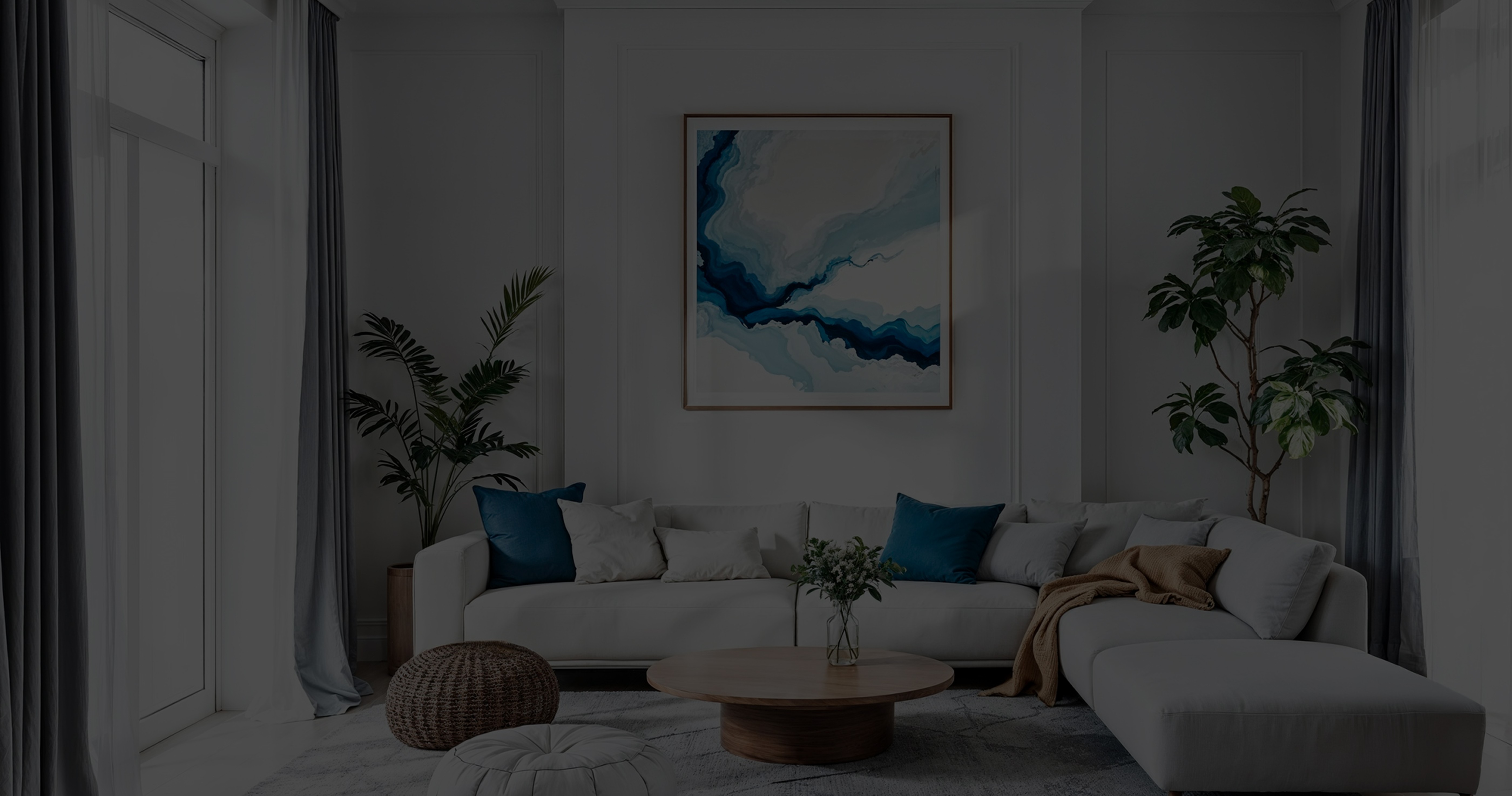
Room-Specific Design
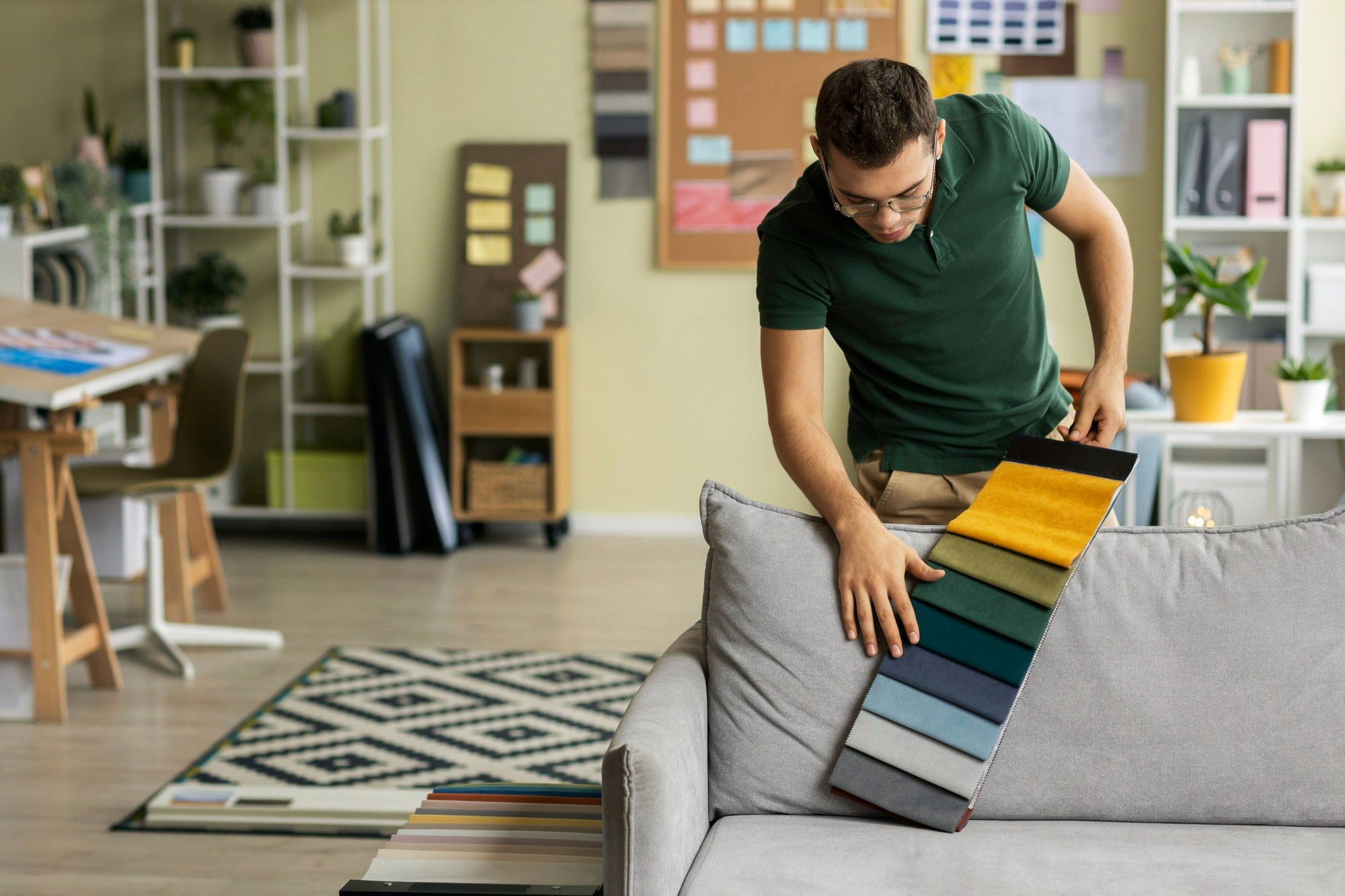
How to Use Textures in Interior Design
— Jhonathon Smith
Sustainable Luxury Takes Center Stage
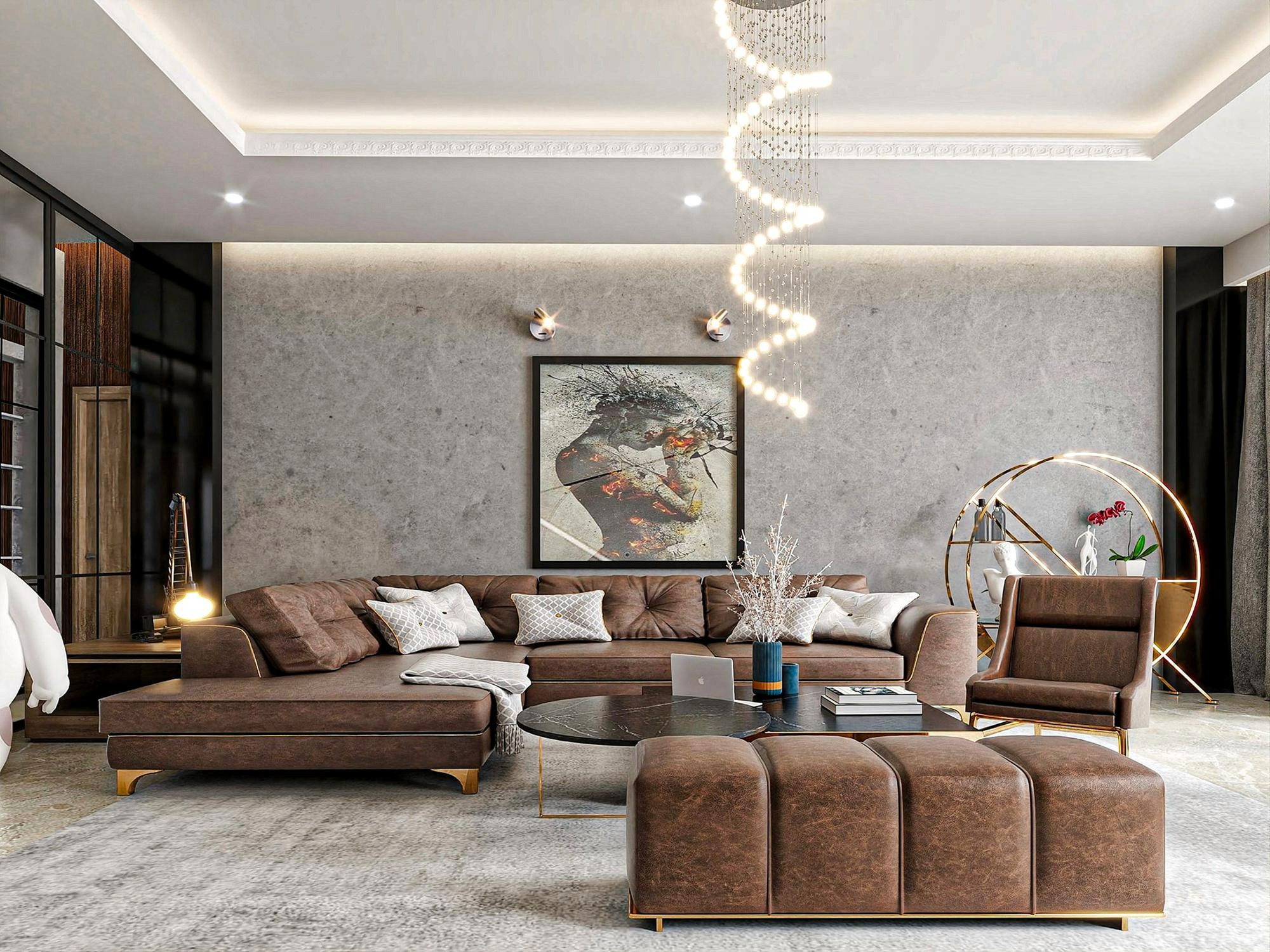
In 2026, luxury in modern interior design is defined by sustainability. Homeowners and designers increasingly choose eco-conscious materials—reclaimed wood, recycled metals, low-VOC paints, and natural stone alternatives. What sets this trend apart is its sophistication: sustainability is now polished, deliberate, and premium. Furniture is crafted for durability, combining elegance with longevity.
Warm Neutrals and Earth-Driven Color Palettes
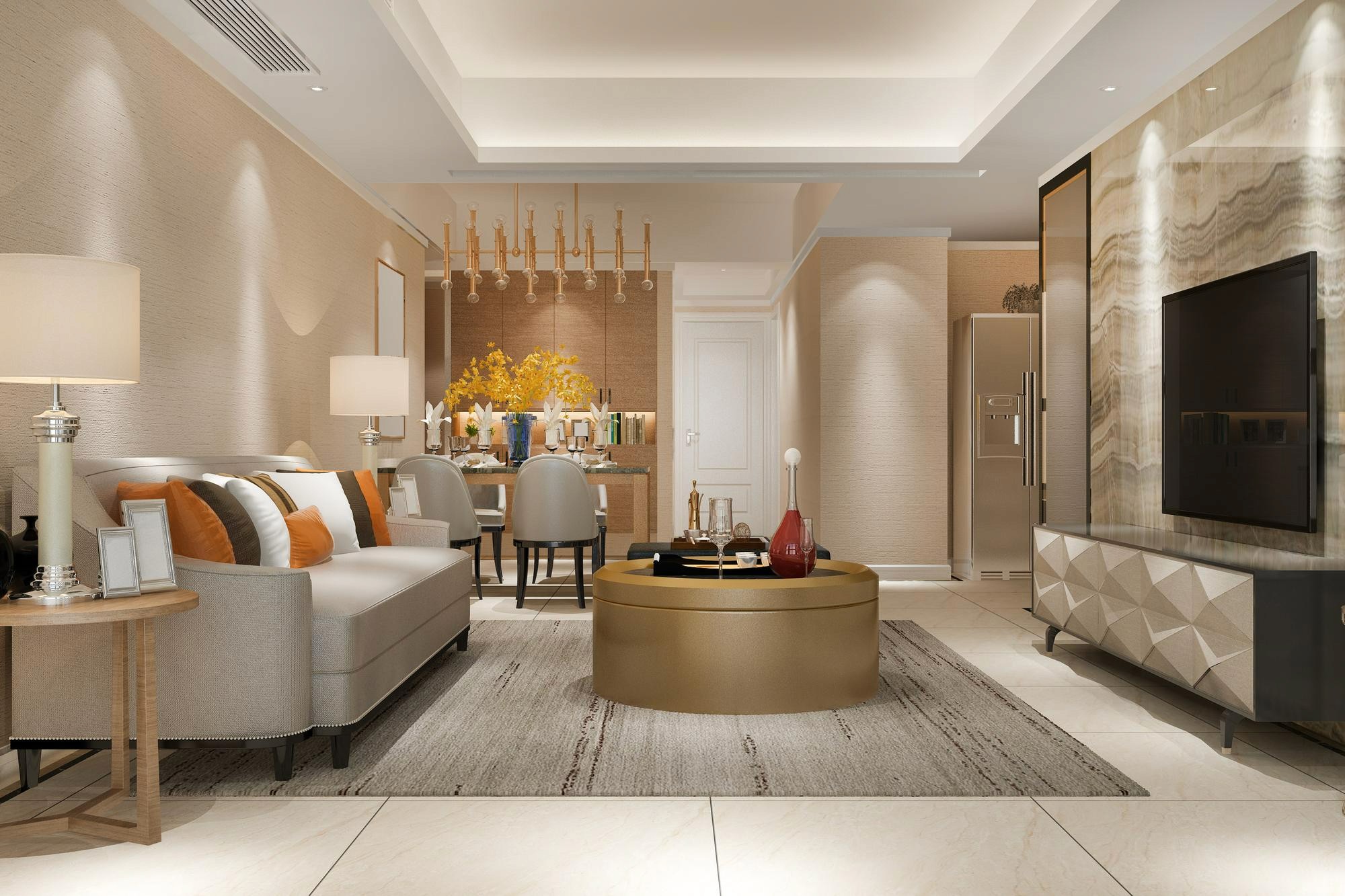
The color palette of 2026 interiors favors warmth, softness, and a sense of emotional comfort. Cool greys and bright whites are giving way to layered neutrals—sand, clay, taupe, olive, and muted terracotta—crafting spaces that feel serene yet modern.
Texture-Led Design for Visual Depth
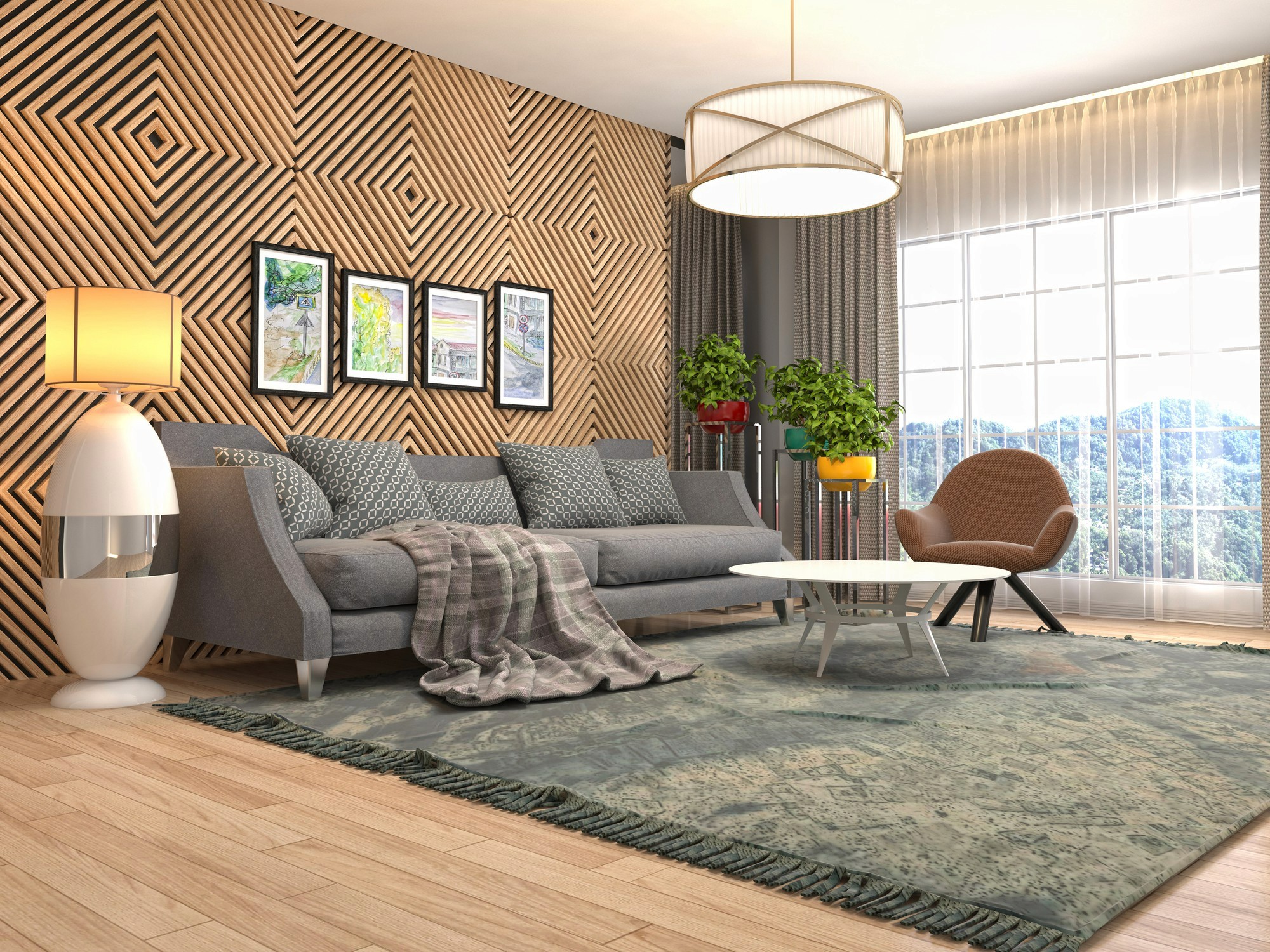
In contemporary interiors of 2026, texture replaces bold patterns as the key to creating interest. Linen upholstery, ribbed wood panels, limewash walls, boucle fabrics, and matte surfaces layer harmoniously, adding richness, tactility, and quiet sophistication.
"As we step into 2026, modern interior design is no longer just about aesthetics—it’s about creating spaces that reflect our evolving lifestyles, embrace sustainability, and balance form with function."
Personalized Spaces with Editorial Styling
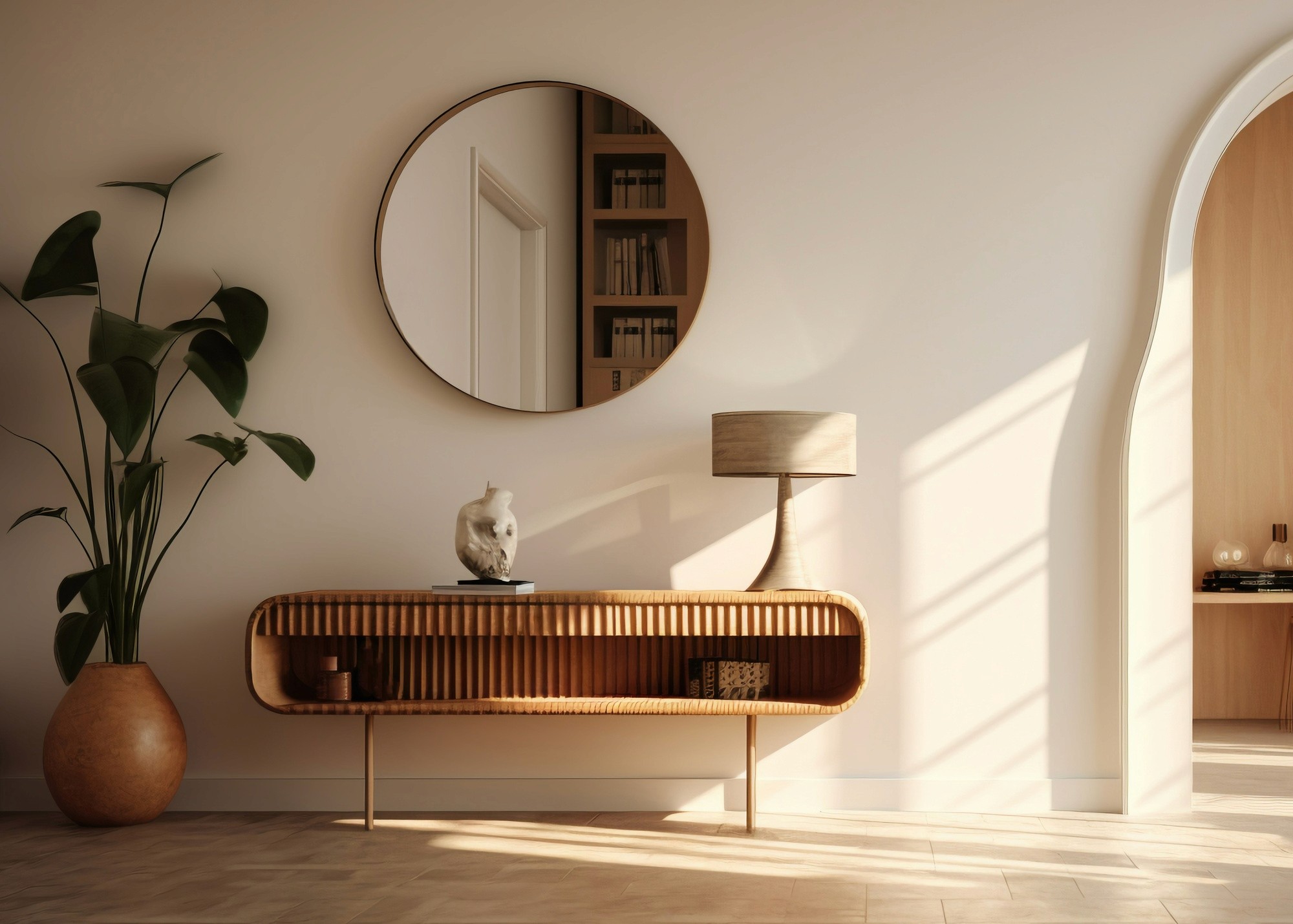
In 2026, modern interiors celebrate personal expression. Homes move beyond generic styling, reflecting the identities and lifestyles of their residents. Thoughtful shelving, custom furniture, curated art, and deliberate negative space combine to create spaces that are both stylish and truly lived-in.
[Blogs]